
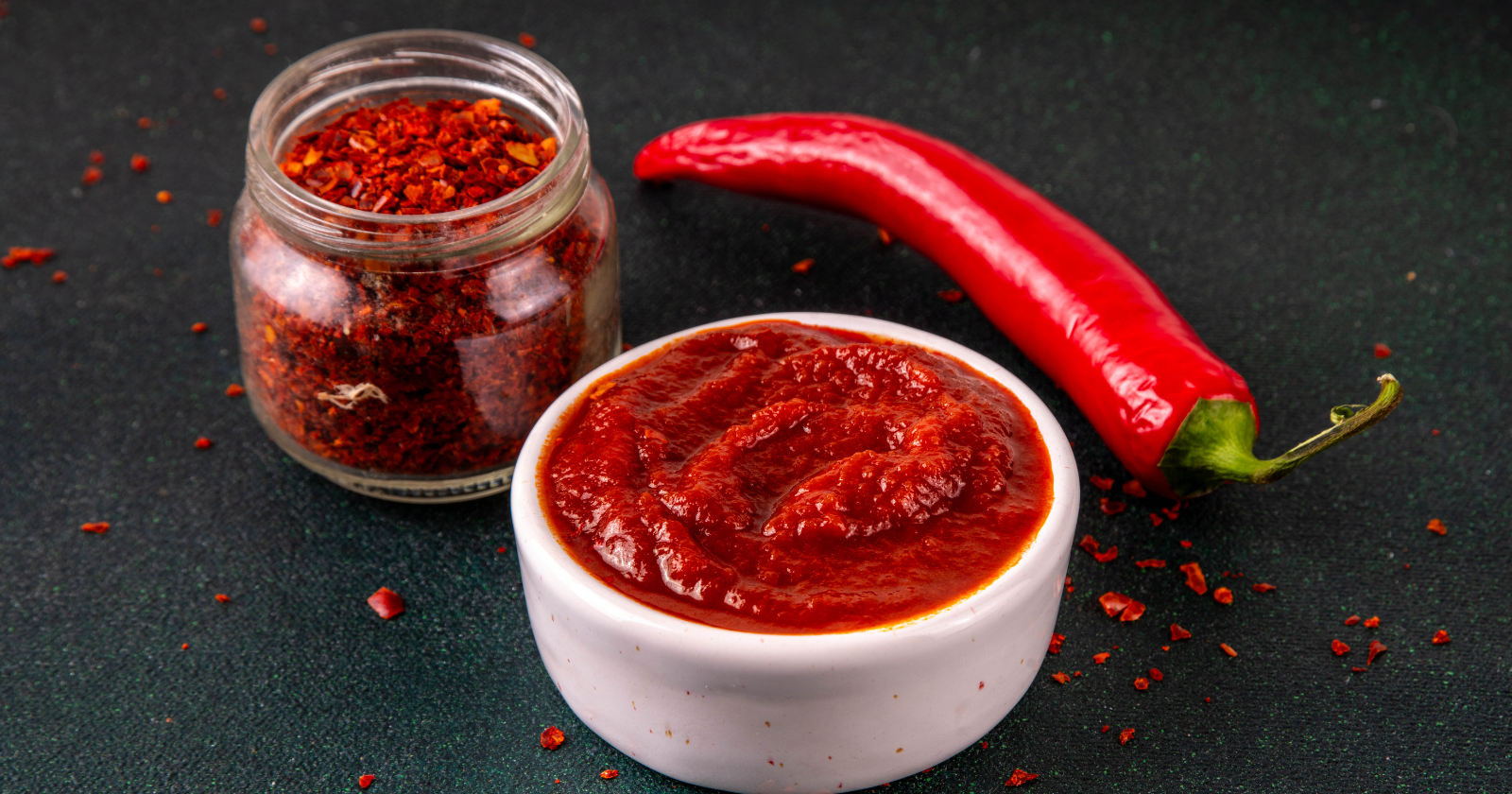
Three years ago, I was standing in my kitchen at 2 AM, frantically googling “why is my hot sauce bubbling over” while mopping up what looked like a crime scene on my counter. The fermentation jar had exploded. Red brine covered everything. My attempt at making fermented hot sauce had literally blown up in my face.
But here’s the thing about spectacular failures: they teach you exactly what not to do. That midnight disaster led me down a rabbit hole of fermentation science, and now I make batches of hot sauce that friends literally beg for. The process that seemed so intimidating back then? It’s actually ridiculously simple once you understand the basics.
Store-bought hot sauce is fine. But fermented hot sauce? That’s a completely different beast. The fermentation process creates complex flavors you can’t get from just mixing vinegar and peppers. It’s tangy, funky, alive in a way that makes every meal better. Plus, you control the heat level, the flavor profile, everything.
Why fermentation changes everything
Fermentation isn’t just some trendy food technique. It’s ancient magic that transforms simple ingredients into something extraordinary. When you ferment peppers, beneficial bacteria convert sugars into lactic acid, creating that signature tang while preserving the sauce naturally.
The depth of flavor you get from fermentation makes regular hot sauce taste flat by comparison. Think of it like the difference between fresh mozzarella and aged cheese. Both have their place, but one has layers of complexity the other can’t touch.
Beyond taste, fermented foods support gut health in ways we’re only beginning to understand. Every bottle of fermented hot sauce is packed with probiotics. You’re essentially making medicine that happens to taste incredible.
The fermentation process also mellows the raw bite of fresh peppers while maintaining their heat. It rounds out harsh edges and brings forward fruity, earthy notes you’d never notice otherwise. This is why fermented hot sauces have that addictive quality that keeps you coming back for more.
The dead-simple recipe that actually works
Forget complicated recipes with fifteen ingredients. You need exactly four things: peppers, salt, water, and time. That’s it.
Start with a pound of fresh peppers. I use a mix of jalapeños and habaneros, but use whatever heat level works for you. Fresno chilies make a milder sauce. Ghost peppers if you’re brave. The beauty is customization.
Remove stems and roughly chop the peppers. Don’t worry about seeds unless you want less heat. Wear gloves unless you enjoy chemical burns on your fingers. Trust me on this one.
Pack the peppers into a clean jar, leaving about two inches of headspace. Mix a brine using 2 tablespoons of salt per cup of water. Use non-chlorinated water if your tap water is heavily treated. The chlorine can interfere with fermentation.
Pour the brine over the peppers until they’re completely submerged. This is crucial. Any peppers exposed to air will grow mold. Use a fermentation weight or a small glass jar to keep everything underwater.
Cover with a loose lid or fermentation airlock. The gases need to escape or you’ll have your own midnight explosion story. Set the jar somewhere room temperature and out of direct sunlight.
Now wait. After three days, you’ll see bubbles forming. That’s the fermentation working. Let it go for at least two weeks, up to a month for deeper flavor. Taste it along the way. When you love it, it’s done.
Blend everything together, brine included. Strain if you want a smooth sauce, leave it chunky if you prefer texture. Add a splash of vinegar for extra tang and shelf stability. That’s your sauce.
Troubleshooting the common screw-ups
White film on top? That’s kahm yeast. Harmless but annoying. Skim it off and carry on. It usually means your salt ratio is slightly off or the temperature fluctuates too much.
No bubbles after a week? Your water might have too much chlorine, or the temperature is too cold. Fermentation slows below 65°F. Move it somewhere warmer and give it time.
Too salty? Add more peppers to your next batch or dilute with a bit of water when blending. Too mild? Next time, use less brine or add fresh peppers when blending.
The biggest mistake people make is giving up too early. Fermentation isn’t instant gratification. It’s a practice in patience, which honestly makes it perfect for anyone working on personal growth. You can’t rush the process. You can only create the right conditions and let nature do its thing.
Getting creative with flavors
Once you nail the basic recipe, the real fun begins. Add garlic cloves to the fermentation for depth. Throw in some onion for sweetness. Ginger creates an Asian-inspired heat. Fruit like mango or pineapple brings tropical vibes.
I’ve made batches with roasted peppers for smokiness. Fresh herbs like cilantro or basil added during blending create unique profiles. A batch with added turmeric turned brilliant yellow and had an earthy warmth perfect for Indian dishes.
The key is starting simple and building complexity. Master the basic recipe first. Then experiment with one addition at a time. Document what works. Some of my best sauces came from happy accidents and random fridge ingredients.
Consider your intended use too. A sauce for tacos might benefit from cumin and lime. Something for pizza could use oregano and sun-dried tomatoes. Match the flavor profile to your favorite dishes.
Why this matters beyond the sauce
Making fermented hot sauce taught me something important about mastery. We often think expertise requires expensive equipment, special training, or natural talent. But most skills just need attention, patience, and willingness to learn from mistakes.
That exploded jar three years ago could have been the end of my fermentation journey. Instead, it became the beginning. Each batch taught me something new. Small adjustments led to big improvements. Now I make sauce that genuinely impresses people who know food.
This applies to everything worth learning. You start badly. You improve slowly. Eventually, you’re doing something that seemed impossible at the beginning. The gap between beginner and competent is smaller than we think. It’s just repetition and refinement.
Plus, there’s something deeply satisfying about creating something with your hands that’s better than what money can buy. In a world of instant everything, fermentation forces you to slow down. To wait. To trust the process.
Start your first batch today
Stop reading about fermentation and start doing it. Grab some peppers on your next grocery run. You probably have salt and water already. Find a jar. That’s all you need to begin.
Your first batch might not be perfect. Mine certainly wasn’t. But it will be yours, made exactly how you want it, and that makes it better than anything sitting on a store shelf.
In three weeks, you’ll have hot sauce. In three months, you’ll have refined your recipe. In three years, you might be writing your own article about how fermentation changed your relationship with food.
The hardest part isn’t the process. It’s starting. So start now. Your future self will thank you every time you reach for that bottle of homemade heat. Trust me, once you taste what fermentation can do, you’ll never go back to the regular stuff.