
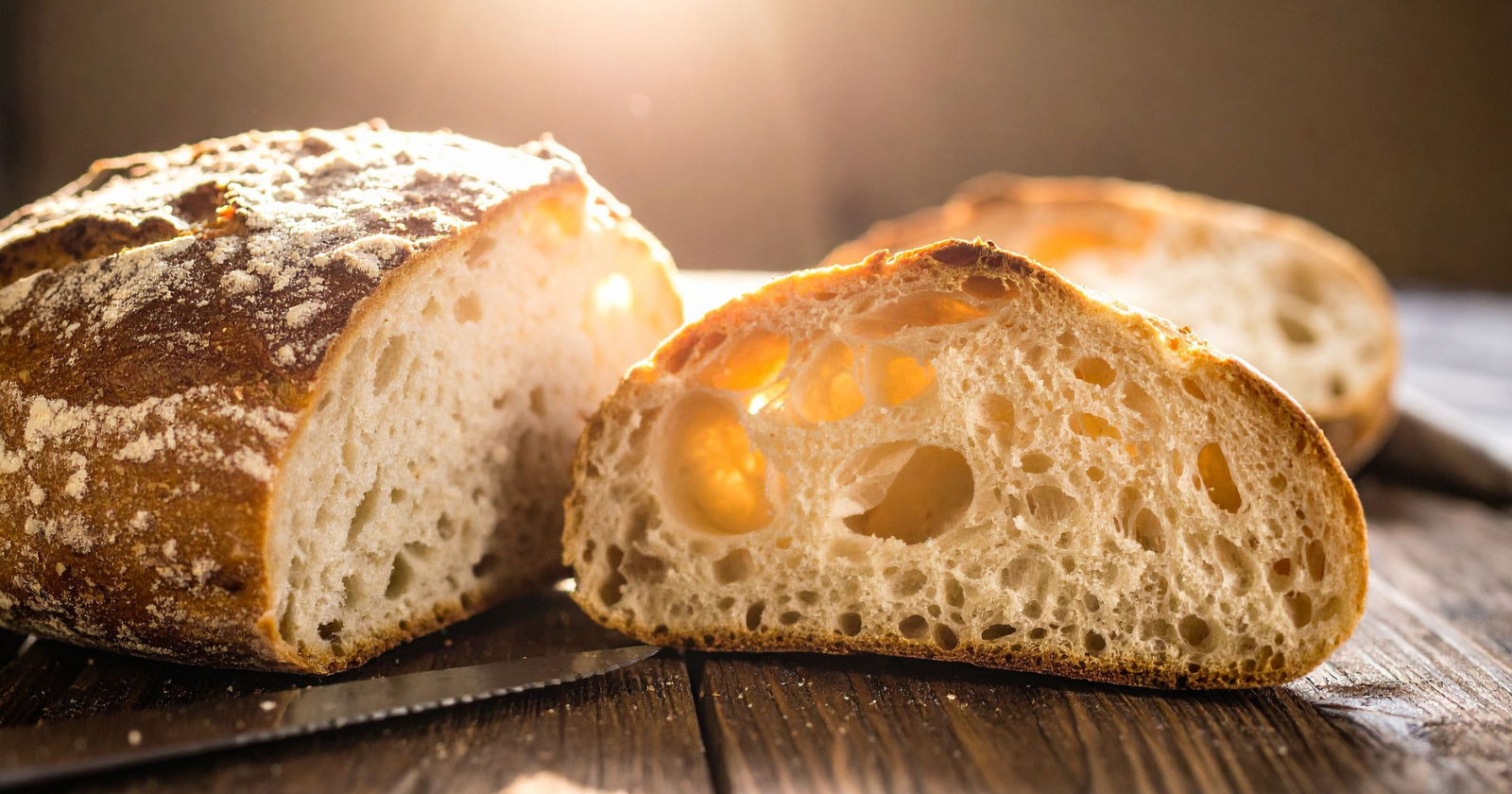
Three sourdough starters died under my watch before I finally cracked the code.
The first one turned into a science experiment that smelled like gym socks. The second grew fuzzy mold that looked genuinely concerning. The third just… gave up, separating into watery defeat after two weeks of what I thought was careful nurturing.
Now my current starter has been thriving for two years, and I bake with it twice a week from my Upper West Side apartment. The difference between failure and success? Understanding what actually matters versus what the internet wants you to obsess over.
The starter is more forgiving than you think
Most sourdough guides read like care instructions for an exotic orchid. They’ll have you measuring temperatures, calculating hydration percentages, and setting alarms for feeding times. Here’s what actually killed my first starters: overthinking.
Your starter wants two things: flour and water. That’s it. Equal parts by weight, not volume. I use a kitchen scale because a cup of flour can vary by 30% depending on how you scoop it. Mix 50 grams of flour with 50 grams of water. Done.
The temperature of your kitchen matters less than consistency. My apartment swings between 68 and 75 degrees depending on the season. The starter adapts. When it’s cooler, it moves slower. When it’s warmer, it speeds up. You learn to read it like you learn to read your own hunger cues.
Skip the fancy flour at first
Every blog insisted I needed organic rye flour or whole wheat to start. So I bought expensive bags of specialty flours that sat in my pantry while my starters died anyway. My successful starter began with regular all-purpose flour from the grocery store. The cheap stuff.
Once it was established and bubbling reliably after three weeks, I started experimenting. Now I maintain it with a mix of bread flour and whole wheat because I like the flavor complexity it brings to my loaves. But starting simple removes one more variable when you’re learning.
The same goes for water. Everyone online warns about chlorine killing your wild yeast. I use regular tap water that sits out overnight. If your tap water tastes fine to drink, it’s fine for your starter.
Your nose knows before the bubbles show
The smell tells you everything. A healthy starter smells tangy, yeasty, slightly sweet. Like beer brewing or bread rising. My failed starters smelled wrong way before they showed visible signs of trouble. Trust that instinct.
During the first week, your mixture will smell funky. Sometimes like cheese, sometimes like vinegar, occasionally like something died. This is normal. The good bacteria and yeast are fighting off the bad ones. Keep feeding it daily during this battleground phase.
By day ten, the smell should stabilize into something pleasant. If it still smells like death after two weeks, start over. No amount of feeding will save a starter that’s been colonized by the wrong microorganisms.
The feeding schedule that actually works
Forget the twice-daily feeding schedule most guides recommend. Unless you’re running a bakery, that’s overkill. I feed mine once a day when it’s on the counter, once a week when it’s in the fridge.
Here’s my routine: Every morning at 5:30, right after meditation and before journaling, I check the starter. If I’m baking that day, I feed it and leave it on the counter. If not, it goes in the fridge after feeding. This timing works because the starter peaks while I’m working from home and I can mix dough in the afternoon.
The fridge is your friend. A cold starter goes dormant but doesn’t die. I’ve left mine for three weeks during vacation. Just feed it twice when you bring it back to room temperature and it bounces back.
When to actually start baking
Most guides say wait two weeks. I say wait until your starter doubles in size within 4 to 8 hours after feeding, consistently, three days in a row. For me, this happened around day 18.
The float test everyone mentions? Overrated. Drop a spoonful in water. If it floats, supposedly it’s ready. Mine often sinks and still makes great bread. Better indicator: consistent doubling and that sweet-tangy smell.
Your first loaves will probably be dense. Mine were. The second batch was better. By month two, I was making bread that impressed people. The learning curve is real but not steep.
What to do when things go wrong
Liquid on top? That’s hooch, basically alcohol. Pour it off or stir it in for more tang. Either works.
Starter not rising? It might be hungry. Try feeding twice a day for three days. Still nothing? Your flour might be old or your water might be too hot. Hot water kills yeast. Room temperature or slightly warm, never hot.
Mold means death. Usually it’s fuzzy and green or black. If you see this, don’t try to salvage it. The root system goes deeper than what’s visible. Start fresh. This happened to my second starter when I forgot about it for ten days in summer.
Taking a break? Dry some starter on parchment paper. It keeps for months. Rehydrate with water when you’re ready to bake again. This saved me from starting over after a particularly busy work period.
The mindset shift that changes everything
Keeping a starter alive taught me about consistency over perfection. I used to approach new skills with intense burst efforts, then burn out. The starter demands small, regular attention. Like the herbs on my balcony, it thrives on routine care, not occasional heroics.
This mirrors any long-term growth. You don’t need perfect conditions or expensive tools. You need to show up, pay attention, and adjust based on what you observe. Some days the starter is sluggish. Some days it’s overly active. You adapt.
Your starter reflects your life
A thriving starter means you’ve created rhythm in your life. It means you’re home enough to tend something. It means you’ve made space for a ritual that connects you to something ancient and basic: making bread.
My starter survived my partner and I navigating living arrangements, changing jobs, and countless life stresses. It’s been fed in Manhattan cafes when I needed a change of scenery while writing. It’s been neglected during busy weeks and pampered during slow ones.
After two years, feeding it feels less like a chore and more like watering a plant or brewing morning coffee. It’s just part of the rhythm. The bread is almost secondary to the practice itself.
Start simple. Use cheap flour. Feed it once a day. Put it in the fridge when life gets busy. Pay attention to smells and rising patterns. Don’t overthink it.
Most importantly, when you kill your first starter, and you probably will, just start another. The fourth time really might be the charm.