
The word “curry” gets thrown around so loosely that most people think it’s just one thing. You know, that yellow stuff with chunks of chicken swimming in coconut milk. But here’s what blew my mind when I first encountered authentic curry varieties: curry isn’t a dish, it’s an entire universe of possibilities.
Every culture has taken the basic concept of spiced, saucy dishes and run in completely different directions with it. The Japanese curry I learned to make tastes nothing like the Ethiopian lentil stew I discovered years later. They’re all curries, sure, but calling them similar would be like saying all bread is basically the same.
These five vegetarian curries from around the world prove just how wildly different this category can be. Master these, and you’ll have a passport to five distinct culinary traditions sitting right in your spice cabinet.
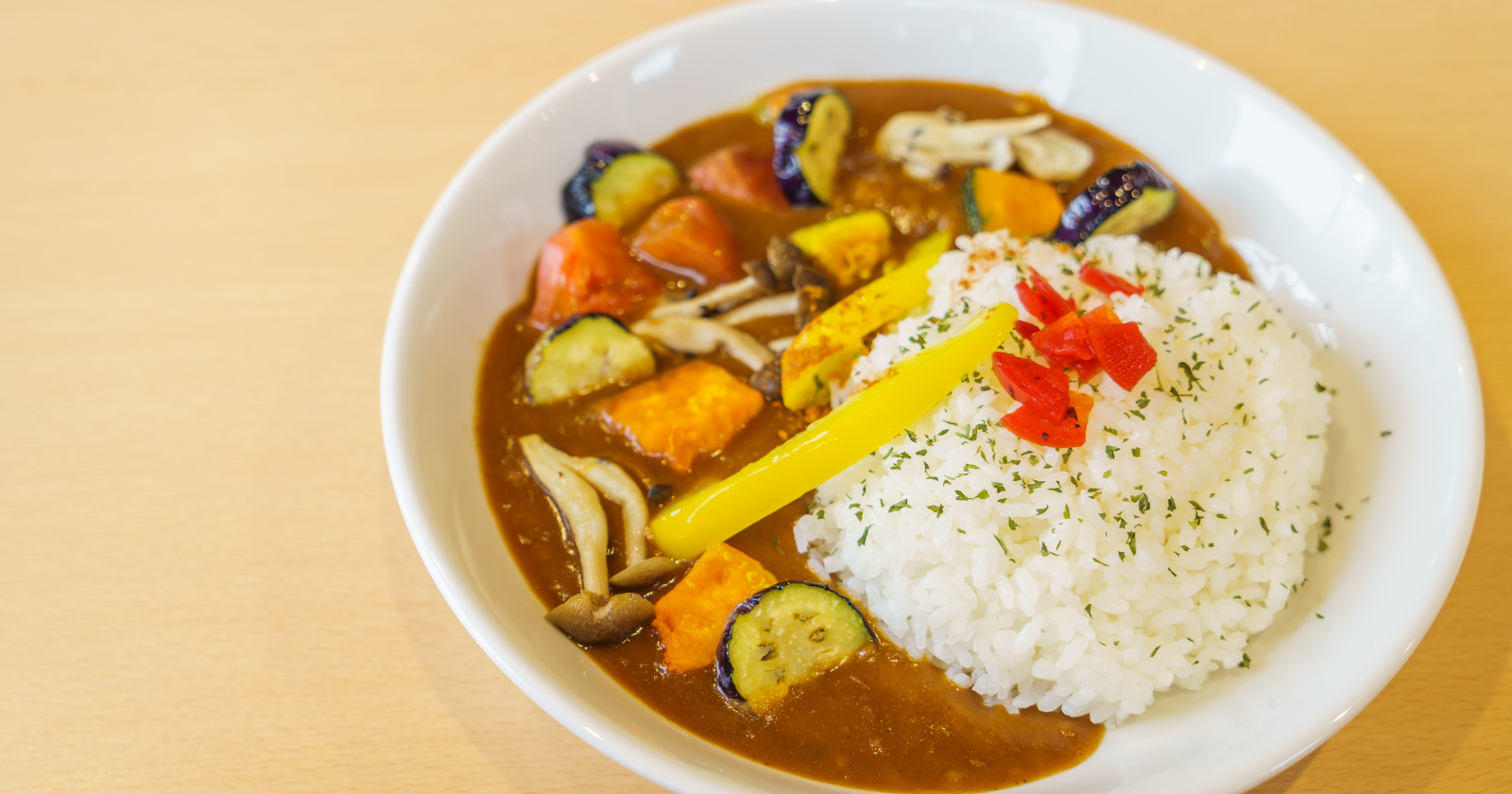
1) Japanese curry (Karē Raisu)
Japanese curry throws everything you think you know about curry out the window. It’s sweet, mild, and thick like gravy. The Japanese borrowed the concept from the British Navy in the late 1800s, then made it completely their own.
The secret weapon here is the roux. You’re basically making a French mother sauce, but with curry powder instead of traditional European seasonings. Melt butter in a pan, add flour, cook until golden, then work in Japanese curry powder (which includes turmeric, coriander, and fenugreek, but also unexpected additions like cinnamon and cocoa).
For the vegetarian version, I use a mix of potatoes, carrots, and onions as the base. Some people add apple for sweetness, which sounds weird until you try it. The apple melts into the sauce and adds this subtle fruity depth that makes the whole thing sing.
The meditation aspect of making Japanese curry comes from the slow, patient building of flavors. You can’t rush the roux. You can’t skip the step where you caramelize the onions properly. Each stage demands your full attention, pulling you into the present moment whether you planned on it or not.
Serve it over sticky Japanese rice with a side of pickled vegetables. The contrast between the rich, sweet curry and sharp pickles creates perfect balance. This is comfort food that happens to be accidentally healthy.
2) Thai massaman curry
Massaman curry is the rebel of Thai curries. While green and red curries shout with fresh herbs and chili heat, massaman whispers with warm spices borrowed from Indian and Persian traders. It’s the introvert of the Thai curry family, and honestly, it might be the most complex.
The paste is where the magic happens. Toast whole spices like cardamom, cinnamon, and star anise until your kitchen smells like a spice market. Grind them with dried chilies, lemongrass, galangal, and shallots. Yes, it takes time. No, you can’t skip this step if you want the real deal.
I learned to make this properly from a cooking class. The instructor kept repeating “mai pen rai” (no worries) every time I stressed about getting the paste perfectly smooth. That philosophy of relaxed precision stuck with me. You want to do things right, but not at the expense of enjoying the process.
For vegetables, think hearty: potatoes, carrots, green beans. Add roasted peanuts for protein and that distinctive massaman crunch. The coconut milk should be rich and full-fat. This isn’t the time for light coconut milk.
Palm sugar and tamarind create the sweet-sour balance that makes massaman so addictive. Start with less and adjust. Every batch of tamarind has different intensity, and finding that perfect balance point is part of developing your cook’s intuition.
3) Ethiopian misir wot
Misir wot completely reframes what a curry can be. No coconut milk, no cream, no tomatoes. Just red lentils transformed by berbere spice and patience into something that tastes way more complex than its simple ingredients suggest.
Berbere is the heart of Ethiopian cooking. It’s a spice blend that typically includes fenugreek, coriander, cardamom, black pepper, cinnamon, paprika, cayenne, and sometimes up to twenty different spices. Making your own is a meditation in itself, but buying quality berbere works too.
The technique here defies Western cooking logic. You cook the onions without oil first, letting them release their moisture and caramelize in their own juices. Only then do you add oil and berbere, creating this intensely flavored base that coats every lentil.
Red lentils break down into creamy submission, creating a thick stew that’s somehow both homey and exotic. The slow cooking process transforms simple ingredients into something that feels ceremonial. In Ethiopia, this often gets served on injera bread during fasting periods, making it both spiritually and nutritionally significant.
The first time I made this successfully, I understood something about cooking that had escaped me before: sometimes the most impressive dishes come from the deepest restraint. You’re not adding things to make it better. You’re coaxing maximum flavor from minimum ingredients.
4) South Indian sambar
Sambar taught me that vegetarian cooking could be just as layered and complex as any meat-based cuisine. This South Indian lentil curry uses tamarind for tang, vegetables for substance, and a spice blend that makes your average curry powder look basic.
The foundation is toor dal (pigeon peas), cooked until soft but not mushy. The vegetable selection changes with the seasons and regions. Drumsticks, okra, pumpkin, eggplant, tomatoes. Each brings different textures and flavors to the party.
Sambar powder is its own universe. Coriander seeds, dried chilies, fenugreek, black pepper, and curry leaves all get toasted separately to their perfect point, then ground together. The smell alone is worth the effort.
The real game-changer is the tempering (tadka) at the end. Heat oil until it shimmers, add mustard seeds until they pop, then curry leaves and dried chilies. Pour this sizzling mixture over the sambar and watch it come alive. That final step transforms it from good to extraordinary.
I’ve watched home cooks make sambar with the same casual confidence I make pasta. It’s daily food in South India, not special occasion cooking. That taught me something about mastery. The dishes worth learning aren’t always the fancy ones. Sometimes they’re the ones people make every single day until the process becomes meditation.
5) Caribbean curry
Caribbean curry breaks all the rules and makes its own. Born from Indian indentured workers bringing their recipes to Trinidad and Jamaica, it evolved into something entirely unique. The addition of scotch bonnet peppers and local herbs created a curry that’s simultaneously familiar and foreign.
The curry powder here leans heavy on turmeric and includes allspice, which you won’t find in any Indian curry. Toast the spices, grind them fresh, and watch how the allspice adds this warm, almost Christmas-like note that somehow works perfectly.
Potatoes and chickpeas form the base, but Caribbean curry loves company. Add spinach, pumpkin, green beans, whatever vegetables you have. The scotch bonnet pepper goes in whole. Pierce it if you want heat, leave it intact for just flavor. This controlled heat release lets you customize the spice level without committing to full scorched-earth intensity.
Coconut milk goes in at the end, but not too much. Caribbean curry should be saucy but not swimming. The vegetables should hold their shape, not disappear into mush.
Serve with roti, not rice. The bread becomes both vehicle and utensil, perfect for scooping up every last bit of sauce.
The curry revelation
These five curries share almost nothing except the basic idea of vegetables in seasoned sauce. Each represents generations of refinement, cultural exchange, and kitchen wisdom. Learning to make them isn’t just about expanding your recipe collection. It’s about understanding how different cultures approach the same basic human need for warm, comforting, flavorful food.
Start with whichever one calls to you. Maybe it’s the gentle comfort of Japanese curry or the complex heat of Caribbean style. Give yourself permission to mess up the first few times. Every mistake teaches you something about balance, timing, and your own taste preferences.
The real growth happens when you stop following recipes exactly and start trusting your instincts. When you can smell that the spices need ten more seconds of toasting. When you know without tasting that it needs more tamarind. That’s when cooking becomes less about following instructions and more about having a conversation with your food.
These curries have taught me patience, precision, and presence. They’ve shown me that vegetarian cooking isn’t about replacing meat but about celebrating vegetables in their own right. Most importantly, they’ve proven that the best meals aren’t always the most complicated ones. Sometimes they’re the ones that connect you to kitchens thousands of miles away, where someone’s grandmother is making the same dish with the same care, just like her grandmother did before her.