
Recovery is never easy, especially in the early days. Withdrawal brings a range of uncomfortable symptoms—both physical and emotional. From anxiety and fatigue to body aches and restlessness, it can feel overwhelming. While medication and medical support are essential during detox, breathwork and gentle movement offer additional relief that’s safe, natural, and empowering.
These practices help calm the nervous system, reduce physical discomfort, and support the body’s natural healing process. This article explores how breathwork and gentle movement ease withdrawal symptoms, and how they can become a valuable part of recovery from substance use.
What Happens During Withdrawal?
When someone stops using drugs or alcohol, their body must adjust to functioning without it. This is called withdrawal, and it can include a wide range of symptoms depending on the substance, duration of use, and the person’s overall health.
Common withdrawal symptoms include:
- Anxiety and panic
- Muscle tension or aches
- Sweating and chills
- Restlessness or agitation
- Difficulty sleeping
- Depression or mood swings
- Headaches or fatigue
These symptoms occur because the body and brain are trying to rebalance themselves after being altered by substances. The nervous system, in particular, often becomes overactive during this process.
This is where breathwork and movement can make a real difference.
The Power of Breathwork in Recovery
Breathwork refers to controlled breathing techniques that calm the mind and body. It’s simple, doesn’t require any equipment, and can be practiced anywhere.

How it helps:
- Activates the parasympathetic nervous system (the “rest and digest” state)
- Lowers cortisol, the body’s primary stress hormone
- Regulates heart rate and improves oxygen flow
- Reduces anxiety and panic
- Creates a sense of control during overwhelming moments
A 2018 study in Frontiers in Psychology found that breathwork helped significantly reduce anxiety and improve emotional regulation in individuals recovering from substance use 1.
Simple Breathwork Techniques for Withdrawal Relief
- Box Breathing
Breathe in for 4 counts, hold for 4 counts, exhale for 4 counts, hold for 4 counts. Repeat for 1–2 minutes. - 4-7-8 Breathing
Inhale for 4 counts, hold for 7, exhale for 8. This slows the heart rate and relaxes the body. - Diaphragmatic (Belly) Breathing
Place a hand on your belly. Inhale deeply through the nose, letting your belly rise. Exhale slowly. This stimulates calm and centers your focus.
Practicing these techniques during cravings, anxiety, or sleepless nights can provide immediate relief.
Gentle Movement and Its Role in Healing
Withdrawal often leaves the body feeling stiff, tired, or achy. While intense exercise may feel too demanding, gentle movement supports the healing process without overwhelming the nervous system.
How movement helps:
- Increases circulation, delivering oxygen to tired muscles
- Releases endorphins, the body’s natural pain and mood regulators
- Improves sleep and reduces physical tension
- Distracts from cravings and negative thought patterns
- Regulates energy throughout the day
A 2020 study in Complementary Therapies in Medicine found that light exercise and stretching significantly improved withdrawal symptoms in early recovery, especially when combined with mindfulness practices 2.

Gentle Movement Practices to Try
- Restorative Yoga
This type of yoga uses slow, supported poses and deep breathing to relax the body. It’s ideal for people with fatigue, anxiety, or physical pain. - Walking Meditation
A slow, mindful walk outdoors—focusing on your steps, breath, and environment—can ease restlessness and improve mood. - Tai Chi or Qigong
These gentle martial arts combine breath with flowing movements. They support balance, calm, and energy. - Simple Stretching
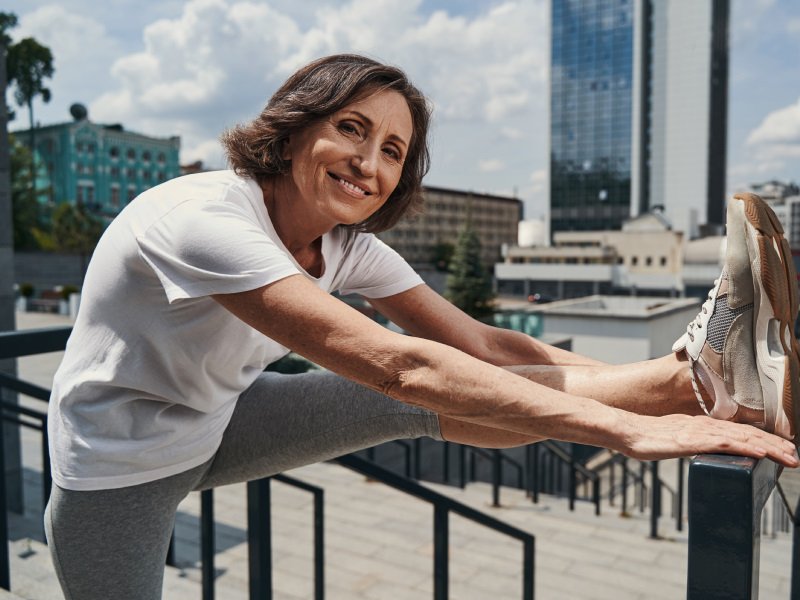
Five to ten minutes of slow neck rolls, shoulder shrugs, spinal twists, or forward bends can relieve tension and reconnect you with your body.
These practices are not about fitness—they’re about reclaiming comfort and calm in your body.
Breath and Movement: A Natural Pair
Breathwork and movement are even more powerful when practiced together. Deep breathing during stretching or yoga amplifies the calming effects and builds a deeper mind-body connection.
When someone feels overwhelmed by a craving or symptom, combining both techniques creates a safe and grounded way to self-regulate. Instead of reacting impulsively, they learn to respond with awareness and compassion.
This supports one of the key goals of early recovery: learning to sit with discomfort and choose healing over old habits.
Real-Life Story: Finding Peace in Practice
Lena, 32, struggled with alcohol addiction for over a decade. During detox, she faced severe anxiety and insomnia.
“I felt like I was crawling out of my skin. Meds helped, but they didn’t teach me how to cope. My counselor showed me some breathing exercises. I started with five minutes a day. Then I added light stretching in the morning. It helped me feel human again.”
Lena has now been sober for over two years and still starts each day with a short breath and movement routine. It’s her anchor.
How to Start a Daily Practice
You don’t need a gym or a yoga studio. You don’t even need an hour of free time. Start small and let the habit grow.
Step-by-step:
- Set aside 5–10 minutes each day. Morning or bedtime works well.
- Find a quiet space. You can use a mat, a bed, or even sit in a chair.
- Begin with breath. Try box breathing or diaphragmatic breathing for 2–3 minutes.
- Add gentle movement. Stretch your arms, roll your neck, or do light yoga.
- Stay consistent. Make it part of your routine, even if it’s short.
Over time, this practice becomes a safe space—a moment to check in with yourself and manage withdrawal symptoms naturally.
Final Thoughts: Healing Through Breath and Movement
Recovery is about more than getting clean. It’s about learning to live in your body again—without pain, fear, or escape. Breathwork and gentle movement ease withdrawal symptoms by reconnecting you to your body in safe, healing ways.
They help calm anxiety, reduce cravings, and offer a natural path to peace. They don’t replace medical care—but they empower you to take part in your own healing.
With each breath and stretch, you remind yourself: I am safe. I am healing. I am home.
LivingBetter50 is a magazine for women over 50, offering an over 50 magazine free download for women of spirit!
Sources
- Doria, S., et al. (2018). Mind-Body Interventions for Substance Use Disorders: A Review. Frontiers in Psychology. ↩
- Zhao, M., et al. (2020). The Effects of Mindful Movement on Early Recovery. Complementary Therapies in Medicine. ↩