
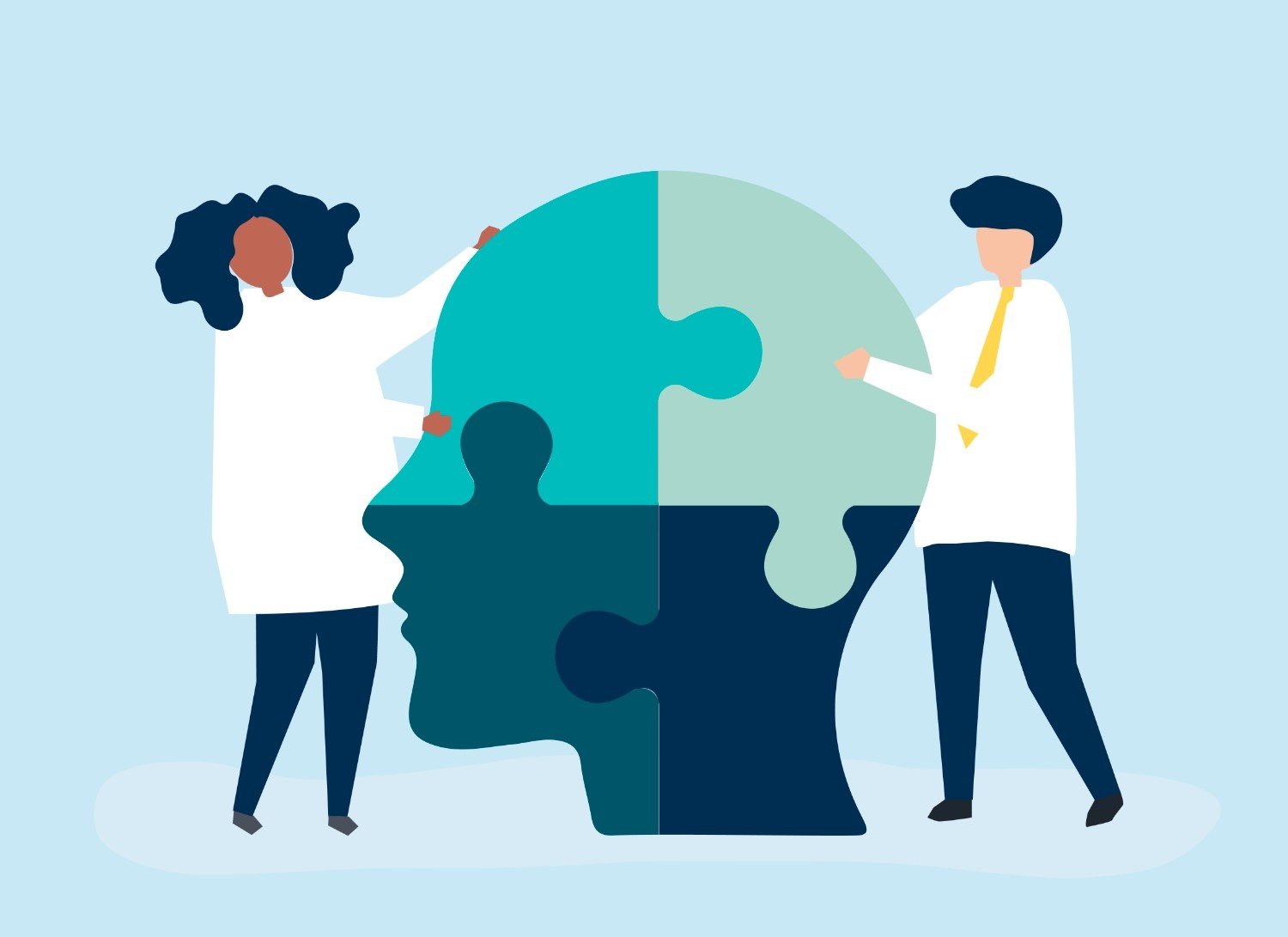
Let’s explore what behavioral health really involves, how it differs from mental health, and why supporting it is key to building healthier lives and communities.
What Is Behavioral Health?
According to the Centers for Disease Control and Prevention (CDC), behavioral health includes:
- Mental health conditions (like anxiety and depression)
- Substance use and addiction
- Stress-related behaviors
- Daily habits that impact physical outcomes (e.g., sleep, diet, physical activity)
In simpler terms, behavioral health is about how we live, cope, and function in the world—and how those patterns influence our long-term health.
Behavioral Health vs. Mental Health: Key Differences
Though often used interchangeably, behavioral health and mental health are not the same.
- Mental Health focuses on emotional and psychological well-being—how we think, feel, and manage our inner life.
- Behavioral Health includes mental health plus the behaviors that affect it—like substance use, sleep patterns, coping strategies, and lifestyle habits.
Think of it this way: Mental health is what’s going on inside, and behavioral health is how that internal experience shows up in action.
Why Behavioral Health Matters Now More Than Ever
Behavioral health plays a central role in today’s most pressing health challenges. Consider these statistics:
- 1 in 5 U.S. adults experiences mental illness each year (NIMH).
- Over 20 million Americans struggle with substance use disorders (SAMHSA).
- Depression is a leading cause of disability worldwide (WHO).
These conditions don’t just affect emotions—they impact work, relationships, physical health, and life expectancy. When behavioral health suffers, every part of life is affected.
The Link Between Behavior and Physical Health
Behavioral health isn’t just emotional—it’s physical too. Research consistently shows that behaviors tied to stress and coping can increase the risk of:
- Heart disease
- Diabetes
- Digestive issues
- Chronic pain
- Immune suppression
When behavioral health improves—through stress management, healthier coping, and early treatment—physical health often improves too.
Common Behavioral Health Conditions
Behavioral health includes a wide range of conditions and patterns, such as:
Mental Health Conditions:
- Anxiety disorders
- Depression
- PTSD
- Bipolar disorder
- ADHD
Substance Use & Addiction:
- Alcohol use disorder
- Drug dependence
- Prescription misuse
Behavior Patterns:
- Disordered eating
- Chronic avoidance
- Sleep issues
- Unhealthy coping
- Risk-taking behavior
Even without a diagnosis, many people experience behavioral health struggles that interfere with daily life.
Everyday Signs Behavioral Health Is Affected
You might not always recognize a behavioral health challenge right away, but it often shows up in how you feel or function:
- Struggling with focus or decisions
- Mood swings, irritability, or emotional numbness
- Avoiding responsibilities or social settings
- Sleep disturbances
- Increased substance use
- Feeling overwhelmed or burned out
These early signs are an invitation to explore support—before things escalate.
What Behavioral Health Care Looks Like
Treatment isn’t just about crisis—it’s also about building resilience.
Common approaches include:
- Therapy (CBT, trauma-informed therapy, ACT, etc.)
- Medication management
- Substance use programs
- Stress reduction and behavior coaching
- Psychoeducation and life skills
The goal? Long-term healing, not just symptom control. Behavioral health care supports sustainable change in how people live, relate, and care for themselves.
Why Prevention Matters
Behavioral health is not just about treatment—it’s about prevention.
Research shows that early intervention can:
- Lower risk for mental illness or substance misuse
- Improve long-term health outcomes
- Reduce medical costs
- Support healthier families and communities
That’s why schools, workplaces, and public health programs increasingly emphasize early screening, education, and skills-building.
Behavioral Health in Workplaces and Communities
Behavioral health isn’t just personal—it’s systemic.
Organizations that invest in behavioral health support often see:
- Reduced absenteeism and turnover
- Higher engagement and morale
- Improved safety and communication
Communities that prioritize behavioral health access experience:
- Lower homelessness and incarceration rates
- Better school performance
- Stronger public health outcomes
The Stigma Problem—And How to Break It
Despite growing awareness, stigma remains a major barrier. Many people delay or avoid care due to fear of being judged, misunderstood, or appearing weak.
But the truth is:
- Seeking help is a sign of self-awareness, not weakness
- Behavioral health support is just as essential as physical care
- Reducing stigma saves lives—and strengthens communities.
When to Seek Behavioral Health Support
You don’t have to “hit rock bottom” to get help.
It may be time to reach out if you notice:
- Constant stress, sadness, or emotional overwhelm
- Trouble functioning at work or home
- Increased substance use
- Loss of interest or motivation
- Struggles with relationships
- Physical symptoms without a clear cause
Support can be life-changing—especially when it starts early.
The Bigger Picture: Why Behavioral Health Shapes Everything
Behavioral health is about more than managing illness. It’s about living well. It shapes how we:
- Handle stress
- Make decisions
- Care for our bodies
- Connect with others
- Create purpose and joy.
When we recognize behavioral health as foundational, not optional, we create healthier individuals, families, workplaces, and communities.
Final Thoughts
Behavioral health matters because behavior is where health begins.
It’s where our thoughts, emotions, and choices meet real-life consequences. By supporting behavioral health with empathy, prevention, and early care, we shift the question from:
“What’s wrong with me?”
to
“What kind of support would help me thrive?”
That simple shift has the power to change lives—and communities.
Please follow and like us: