
True innovation—from the Latin root novus, meaning “new”—involves creating something new or changing something existing to “re-new” it into something new and, it is implied, “better.” For makers of foods and beverages, often the biggest hurdle developers encounter comes down to replacement of a single ingredient, and one of the most difficult ingredients to replace in any formulation is sugar—that is, the full-calorie sweeteners glucose, fructose, and sucrose.
A Deep Dive into the Future of Food & Beverage
For nearly a decade, consumers have overwhelmingly named sugar reduction as one of their top concerns when it comes to eating more healthfully. For this reason, matching the flavor and function of full-calorie sweeteners, especially sucrose (table sugar), has always been the brass ring for product innovators.
What makes sucrose (and its monosaccharides) so difficult to replace is that sugar provides more than sweetness; it contributes to texture, bulk, color, flavor balance, flavor enhancement, and even fermentation, masking, and shelf life.

Baking
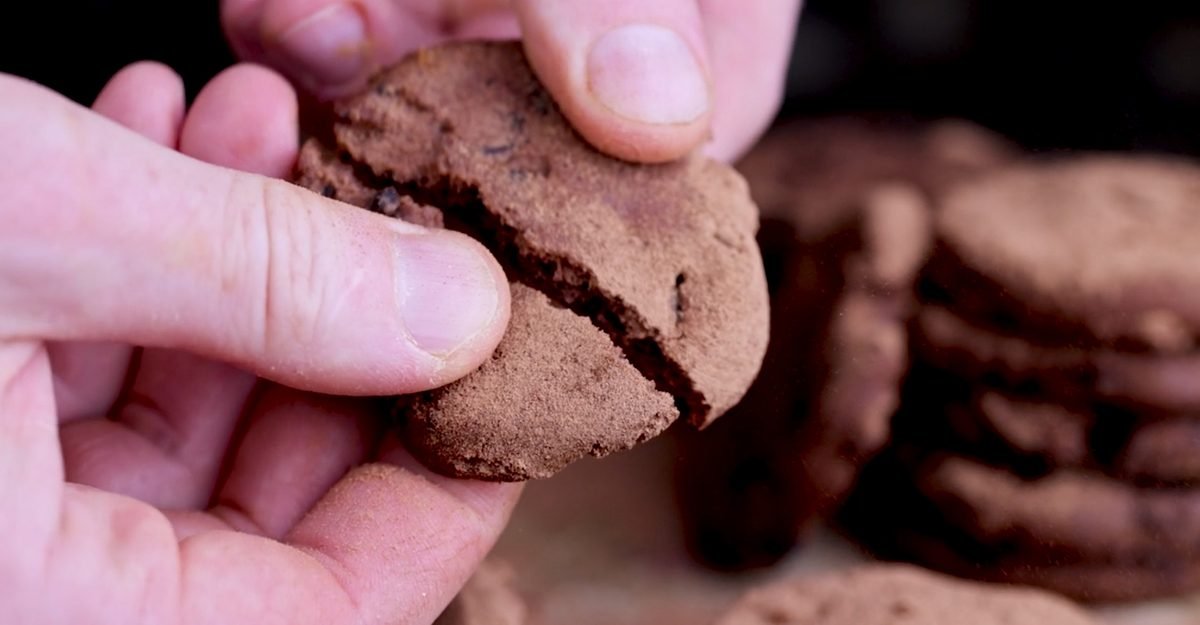
“When it comes to choosing which calorie-lowering sweetener comes closest to matching full-calorie sugars in terms of flavor and function, application is, of course, critical,” asserts Justin Kanthak, MBA, food scientist, sweetener scientist, and past president of the Research Chefs Assn. “For example, when it comes to baked goods such as pastries, breads, cookies, and cakes, matching the function of sucrose is especially critical.”
“Any substitute must meet the requirements for Maillard browning, caramelization, humectancy, bulking, texture, and other dough- or batter-matrix requirements,” continues Kanthak. “All those aspects are, of course, in addition to flavor expectations. Since bakery items are subjected to prolonged heat exposure during processing and have shelf-life expectations, the compensatory sweetener replacement system must meet those as well.”
Kanthak points to three common issues in baking with sugar substitutes: volumetric replacement, compensation for caramelization/Maillard function, and humectancy. “Volumetrically, the suite of high-intensity sweeteners requires a bulking workhorse to carry the volume share,” he explains.
In using monkfruit, stevia, or other HIS in baking, Kanthak points out that challenge is even more complex. All the non-sweetening functionalities of common sugars—specifically the aforementioned humectancy, Maillard browning, and bulking—necessitate additional ingredients.
For sugar-free baking that requires sucrose’s textural capacity, the most common turn-to is the sugar alcohol erythritol. “Erythritol is a valuable partner to high-intensity sweeteners,” says food scientist Smaro Kokkinidou, PhD
. “It’s often paired with stevia to round out sweetness and boost upfront impact.” (See “Case Study: Developing a Sugar-Free Cookie Using Low-Calorie Bulk Sugar Substitutes“)
“In beverages, it contributes body and mouthfeel, which can be missing in no-sugar-added formulations,” adds Kokkinidou
. “In baked goods, it provides bulk, and in ice cream, it provides bulk and freezing-point depression. With near-zero calories and a clean, sweet flavor, erythritol helps replicate both the flavor and function of sugar, making it a versatile and widely used tool in sugar-reduced formulations.”

Blended tech
In formulations where allulose does need a lift from HIS, technologists have developed sweetener systems that can hit the desired flavor profile of full-calorie sugars. “The next best thing to sucrose in just about any application is the trio of allulose, a rebaudioside-M/rebaudioside-D steviol-glycoside blend, and soluble tapioca fiber,” says Thom King, a certified food scientist specializing in sweetener technology. “Each brings something unique to the table, but together, they create a temporal sweetness curve that feels remarkably like sucrose. They play like a symphony of flavor and function, as opposed to a ‘lone cello’.”
King notes that the allulose does the “heavy lifting” for providing bulk and temporal sweetness. “With about three-quarters the sweetness of sucrose and nearly identical crystallization behavior, it lays the groundwork for mouthfeel and that classic sugar hit on the front of the tongue,” he states. “Then the Reb-M/Reb-D blend provides the potency and lift. The result is a clean, rounded sweetness that fills in the mid-palate and extends the curve, so the sweetness doesn’t collapse too early.”
Concluding, King points to the soluble tapioca fiber as the “unsung hero” of the system. “Beyond its prebiotic halo, it contributes viscosity and mouthfeel that carry the other two ingredients across the palate. This fiber provides the sugar syrup-like effect formulators crave—thick enough to mimic the body of sugar, and smooth enough to mask off-notes. The system emulates sugar’s temporal effect: front-end sweetness onset, full mid-palate bloom, and a lingering back-throat finish. This combination doesn’t just sweeten—it behaves like sugar, giving food and beverage developers a clean-label toolset that threads the needle between indulgence and health.”
Pain in the GRAS
There are other hindrances to wider acceptance of allulose than lack of familiarity and those mentioned above. It has yet to be accepted by the EFSA (European Food Safety Authority), and in the US it has a GRAS limit of 30g per day. Although the limit was mostly a precautionary measure when the then-novel sweetener first applied for GRAS status nearly 15 years ago, it can be a barrier for certain applications. For example, a 12-oz soft drink sweetened with sugar or corn syrup typically contains around 31g or more of those full-calorie sweeteners.
“There is no FDA regulation that a product cannot have 30g of allulose in one serving,” notes Jennifer Mancuso, PhD, Principal Consultant and owner of Natural Food Concepts, LLC. “The 30g/day GRAS recommendation generally refers to total daily intake with multiple sources across various food categories. Industry practice is to stay between 10-15g allulose per serving to be in line with the total daily intake guidance.”

Plant Zero
Stevia continues to be a favored sweetener for many formulations. Sweetener technologists have spent the past decade teasing out and refining the steviol glycoside compounds that give the plant its powerful sweetness. Of these, the first-generation stevia sweeteners focused on the steviosides which held the major challenge of imparting a licorice-like aftertaste. Eventually, they homed in on the rebaudioside family, specifically rebaudioside-A (Reb-A), which still has an aftertaste although much less so. Further research landed on the then-lesser-known member of the family, Reb-M, which was the closest yet to sucrose in flavor and performance.
“Early Reb-A stevia products often delivered bitterness and lingering sweetness, especially at higher concentrations,” acknowledges food scientist Smaro Kokkinidou, PhD. “However, advanced stevia solutions based on Reb-M bring developers much closer to the sweetness quality and temporal profile of sugar. These solutions offer unparalleled versatility in application, minimizing the need for flavor modifiers and delivering deeper sugar reductions than were possible before due to Reb-M’s higher sweetness potency and superior sweetness quality.”
Kokkinidou points out that high-intensity sweeteners still require bulking agents and texturizers to replace sugar’s functional roles, such as browning in baked goods or freezing-point depression in ice cream. But in terms of sweetness intensity, she states, “Reb-M stevia sweeteners stand as one of the most sugar-like options available, with proven performance in beverages, baked goods, dairy products, confectionery and more.” She further adds that for beverage formulators in particular, Reb-M can also deliver cost savings compared to full-sugar alternatives.
What’s in a Name?
Consumer research groups across the board have pinpointed “lower sugar” as the top better-for-you demand consumers are making. Thus, many consumers have become avid label readers. Overall, that’s a good thing. However, one drawback is in how well the average consumer can understand a label. “Some of the current challenges we are facing with some clients is that, since they do not want any added sugars, they will reject any ingredient with an “-ose” at the end of its name,” laments George Squire, Technical Lead for the product development group JPG Resources, LLC. “This negatively affects allulose.” No doubt it will affect tagatose as well. Fortunately, allulose was allowed to be excluded from the “Total Sugars” and “Added Sugars” on the US Nutrition Facts label by the FDA. Tagatose, originally rejected for that exclusion due to having 1.35kcals/g, is being re-reviewed and could join allulose in the same exemption, or be the vanguard of a new designation.
A new discovery by Van Andel Institute scientists reveals that glucose, an essential cellular fuel that powers immune cells, also aids in T cells’ internal communication and boosts their cancer-fighting properties. The findings may help optimize T cells’ ability to combat cancer and other diseases. —by Technology Networks
Flavor points
After the physical functionalities for replacing sugar in baking have been addressed, flavor comes to the forefront. “Flavor is measured as the output, but it is a consideration at the input of any application,” observes Kanthak. “For example, Maillard browning and caramelization not only add color and texture, the processes contribute to the flavor of a bakery item.”
Two sweeteners that can redress these challenges in baked formulations are allulose and tagatose. Both have advantages and drawbacks. Allulose has a generally less rounded flavor profile than sucrose, and is stated to have a lower SEV (Sucrose Equivalency) of sweetness—approximately a quarter less—and a longer flavor curve to maximum sweetness. For some products, this is often covered by using slight amounts of HIS.


Boosters and Enhancers
While the high-intensity sweeteners such as stevia and monkfruit, as well as some of the emerging protein-based sweeteners such as brazzein and thaumatin, can be used to boost sweetness without adding calories, some common ingredients can be used in formulations to elevate sweetness. One example is vanilla. Pure vanilla added to formulations ranging from baked goods and chocolate products to plant-based flavored milk analogs and coffee or cola beverages can allow for slight reductions in full-calorie sugars. So, too, can aromatic spices such as cinnamon and cardamom. Orange, lime, lemon, and other citrus juices, peel, and oils are especially good sweetness enhancers in baked goods and sparkling beverages. A surprising sweetness enhancer? Salt! Trace amounts of salt added to sweet formulations at once mask any bitter notes from other ingredients while boosting the sweetness through altering the way sugar is perceived on the taste buds.

Sweeter By the Numbers
- The global sweeteners market is projected to grow to USD125.1 billion by 2028, registering a CAGR of 3.1% during the forecast period. North America holds the largest share of the global sweeteners market, driven by increasing health awareness and demand for sugar alternatives. The region’s strong food and beverage sector is quick to adopt innovations in low-calorie and sugar-free products. A growing base of health-conscious consumers continues to fuel market growth, solidifying North America’s leading position. — by MarketsandMarkets, Inc.
- The global allulose market is poised for strong growth as consumers worldwide increasingly turn to healthier sugar alternatives. Valued at USD256.25 million in 2024, the market is projected to [more than double], hitting USD598.61 million by 2034 at a robust 8.9% CAGR. — Future Market Insights.
- The global dextrose [d-glucose] market, valued at USD5.9 billion in 2022, is projected to reach USD8.6 billion by 2027, growing at a CAGR of 7.8%. — by MarketsandMarkets, Inc.
- The global sugar alcohol market is set to reach USD2.46 billion by 2034, forecast at 5.9% CAGR. Revenue from the global sugar alcohol market reached USD1.39 billion in 2024 and [is forecast to] further increase at a CAGR of 5.9%…to 2034. [An] increasing number of people suffering from diabetes across the world, and more individuals looking to cut back on sugar intake are key factors driving the demand growth for sugar alcohols. — by Fact.MR

- The high-maltose syrup market is set to reach USD2.04 billion by 2034, growing at a 4.4% CAGR. — by Fact.MR
- The flavored syrup market is set to reach USD89.48 billion by 2034, expanding at a 5.2% CAGR. — by Fact.MR
- The gluten free sugar syrup market size is projected to reach USD5.98 billion by 2033, growing at a CAGR of 6.3%. — by Straits Research
- The sugar substitutes market was valued at USD23.56 billion in 2024 and is projected to grow at a CAGR of 4.9%, reaching USD 29.90 billion by 2029.
- The food products segment holds a significant share of the sugar substitutes market, fueled by rising demand for low-calorie and sugar-free options among health-conscious consumers. — by MarketsandMarkets, Inc.
- Stevia Market Size to Surpass USD 1.24 billion by 2031. The stevia market share is witnessing strong growth due to rising demand for natural, zero-calorie sweeteners amid increasing health concerns over sugar intake, obesity, and diabetes. Widely used in beverages, dairy, and confectionery, stevia appeals to health-conscious consumers and supports the global shift toward clean-label products. — by The Insight Partners
Other drawbacks to allulose are its high hygroscopy and a reduced temperature tolerance for caramelization. “These qualities need to be managed in bakery items,” cautions Kanthak, “because allulose caramelization moves into undesirable profiles quickly—acridness or bitterness, among others.” For these cases, baking temperatures might require lowering by 25-50°F, resulting in longer baking times. Allulose also is hampered by a GRAS limit of 30g/day and a lack of EFSA approval (see “Pain in the GRAS”).
Tagatose is fairly new to the scene, but is showing excellent promise in replacing full-calorie sugars. A natural sugar, it has only around a third the calories of sucrose, but nearly an identical level of sweetness. Tagatose is also a low-glycemic sugar, and it allows a prebiotic fiber claim. However, even as a low-calorie natural sweetener, it still must be declared as an “added sugar” and included in the Total Sugars count on Nutrition Facts labels.
An extremely clean-flavored sweetener, it leaves no residual flavor notes. Tagatose is less hygroscopic than sucrose, and has a slightly lower browning capacity, although still sufficient for most applications. Currently, pricing and sourcing can be a hurdle with tagatose, but as both demand and supplies increase, costs will come down.