
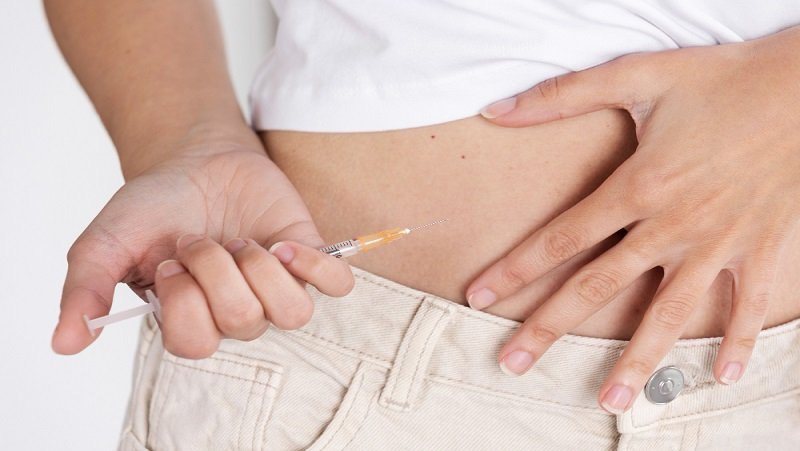
The popularity of tirzepatide for weight loss has surged as research shows it can deliver significant results in people with overweight or obesity. Unlike traditional diets or lifestyle changes alone, tirzepatide leverages hormone activity to reduce appetite and improve metabolism but a common question that arises concerning medications and treatments like this is – how fast does it work? In this article, we’ll break down how quickly tirzepatide works for weight loss, typical dosing schedules, and what to realistically expect over time.
How Does Tirzepatide Work for Weight Loss?
Tirzepatide is a once-weekly injectable medication that activates both the GLP-1 (glucagon-like peptide-1) and GIP (glucose-dependent insulinotropic polypeptide) receptors, which are hormones involved in appetite regulation and insulin response. This dual mechanism slows gastric emptying, enhances feelings of fullness, improves insulin sensitivity, and decreases appetite, all mechanisms that are directly tied to weight loss.
Clinical evidence confirms that tirzepatide induces meaningful, dose-dependent weight loss compared to placebo across multiple trials.
Tirzepatide Dosing for Weight Loss: Standard Schedule
Currently marketed under brand names like Mounjaro and Zepbound, tirzepatide’s typical dosing schedule tested in weight-loss trials follows this pattern:
- Start: 2.5 mg once weekly for about 4 weeks
- Titration: Increase by ~2.5 mg every 4 weeks, e.g., 5 mg, 7.5 mg, up to 15 mg weekly
- Maximum: 15 mg weekly (if tolerated)
This step-up approach in tirzepatide dosing for weight loss helps minimize side effects like nausea or gastrointestinal discomfort. The specific titration and final dose can vary by individual needs and physician guidance.
Timeline: How Fast Does Tirzepatide Work?
Early Weeks (1–4 Weeks)
Tirzepatide begins to work at a cellular level soon after the first injection, but appetite suppression and initial weight changes often take a few weeks to become noticeable.
1–3 Months
Most clinical data suggest measurable weight loss typically appears within the first 8–12 weeks, especially as doses are titrated upward.
3–6 Months
By 3–6 months, many people experience significant weight reduction, often in the range of 15% or more of initial body weight in clinical settings.
12–18 Months
Peak weight‐loss results commonly occur around 72 weeks (about 16–18 months) for trial participants, with weight reduction averaging between 15–20% of baseline weight at higher doses.
Note: These timelines are average estimates, and individual responses vary based on dose, adherence, diet, and activity level.
Tirzepatide Dosing for Weight Loss: What Speeds up vs. Slows Down Results
| Factors That May Speed Up Results | Factors That May Slow Down Results |
| Reaching an effective therapeutic dose under medical supervision | Staying on lower doses for extended periods due to side effects |
| Strong early appetite suppression and improved satiety | Inconsistent dosing or missed weekly injections |
| Following a calorie-controlled, nutrient-dense eating plan | High intake of ultra-processed or calorie-dense foods |
| Maintaining regular physical activity | Sedentary lifestyle or minimal movement |
| Good tolerance to dose escalation | Gastrointestinal side effects affecting adherence |
| Consistent weekly dosing schedule | Irregular injection timing or early discontinuation |
| Better baseline insulin sensitivity and metabolic response | Underlying metabolic or hormonal imbalances |
| Adequate sleep and stress management | Poor sleep quality or chronic stress impacting eating behavior |
Expected Results: What Study Data Shows
A large meta-analysis found that tirzepatide consistently delivered significant weight loss compared with placebo, with higher doses yielding larger reductions. Across analyzed studies, weight loss ranged from 10 to 18 kg (22–40 lbs) depending on dose and diabetic status.
Comparisons with other injectables also highlight tirzepatide’s effectiveness; for example, it produces greater average weight loss at 3, 6, and 12 months compared to semaglutide (Ozempic variants). There’s also a marked difference in comparison of traditional diets vs GLP-1 medications like tirzepatide.
Is Tirzepatide Safe for Weight Loss? Side Effects & Considerations
Most side effects are mild to moderate and relate to gastrointestinal effects during dose escalation, including nausea, diarrhea, constipation, which often improve over time.
According to systematic review data, tirzepatide likely increases the risk of non-serious unwanted effects in the medium and long term but doesn’t appear to significantly raise serious adverse event rates.
Because tirzepatide treatment impacts appetite and digestion, it’s important to work closely with a healthcare provider to monitor dosing, side effects, and overall health markers.
Real-World Factors: Clinical vs. Everyday Use
Real-world studies show that effectiveness of tirzepatide for weight loss can differ outside clinical trial settings, often due to variations in dosing, adherence, and access to support services. In broader patient populations, lower average weight loss has been observed when medication is discontinued early or under-dosed.
This highlights the importance of professional support and lifestyle integration alongside medication, which is important for weight management.
Making Tirzepatide Work Through Personalization and Guidance
While tirzepatide has been shown to produce significant and sustained weight loss over time, outcomes are best when integrated into a comprehensive plan personalized to your health profile. Professional guidance helps tailor dosing schedules, manage side effects, and support long-term maintenance making sustainable weight management more achievable.
Consider consulting with a healthcare team experienced in metabolic treatments to build a plan that matches your goals and medical needs.