
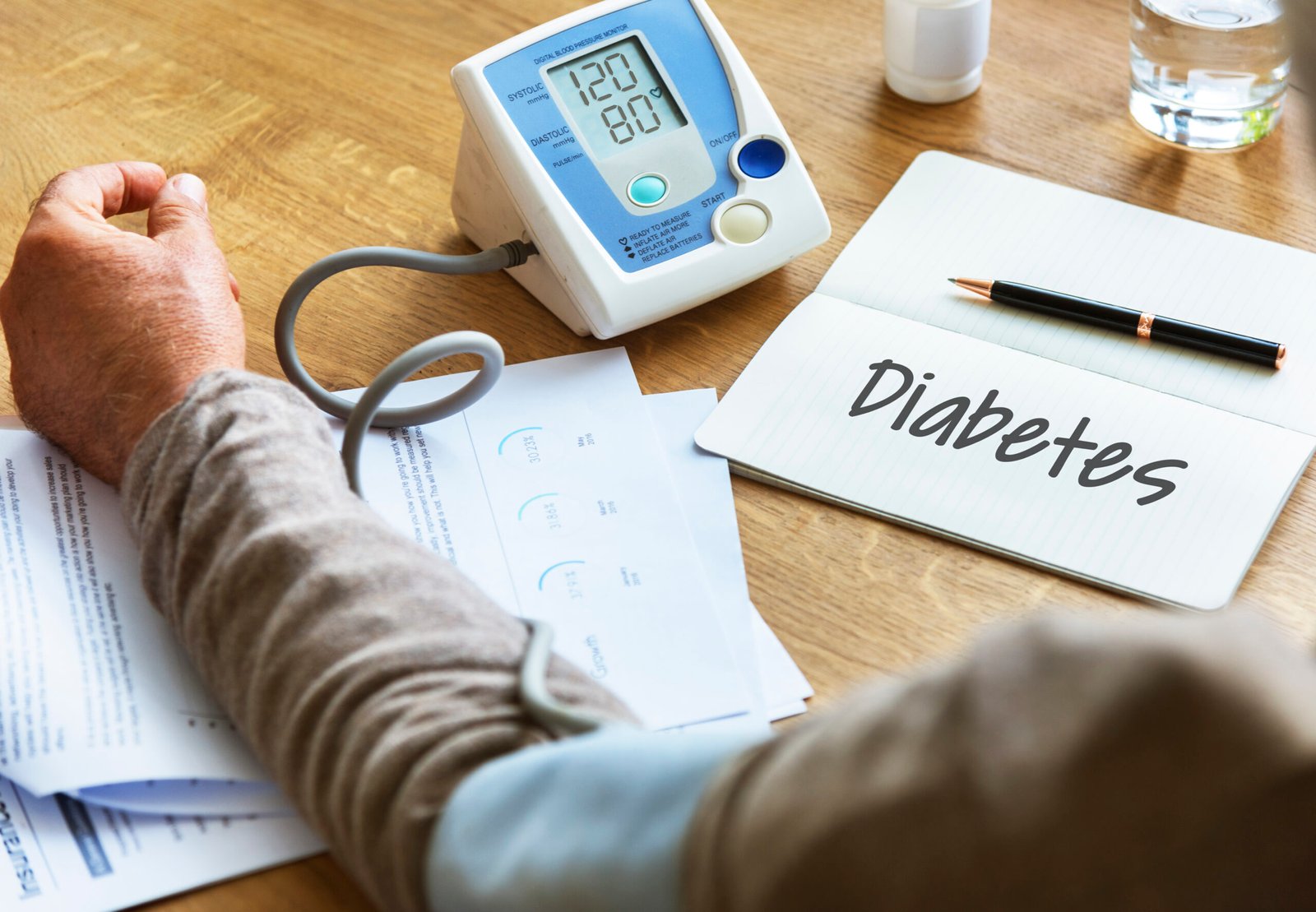
Managing mealtime glucose can feel unpredictable and stressful. Rapid rises, delayed dips, and daily routines all influence insulin needs. NovoRapid Vial is one option used in care plans to address post-meal spikes while supporting flexible schedules.
For people exploring rapid-acting strategies, you can find practical background and details on this rapid-acting insulin vial within wider discussions about dosing, timing, and safety. The points below focus on education, common challenges, and habits that help conversations with your clinician.
How rapid-acting insulin fits into diabetes care
Rapid-acting insulin helps manage blood sugar after meals. It starts working quickly and has a shorter duration compared with basal (background) insulin. This profile can help limit large post-meal spikes, but timing and dose are crucial.
Type 1 diabetes usually requires both basal and mealtime insulin to replace what the body no longer produces. Some people with type 2 diabetes add mealtime insulin when oral medicines and lifestyle changes no longer control post-meal rises. A NovoRapid Vial can be part of these plans; the right fit depends on your goals, patterns, and safety considerations.
Pre-bolus timing means taking rapid-acting insulin before eating. Many people dose 10–15 minutes pre-meal, but this varies by glucose level, meal composition, and personal response. Discuss a starting approach with your care team, then adjust based on predictable patterns.
Carbohydrate counting estimates how many grams of carbs you will eat and converts that to a dose using an insulin-to-carb ratio. Fat and protein can delay glucose rises, sometimes requiring timing tweaks. Keeping notes on what you ate, your pre-meal glucose, and the dose can reveal clear, repeatable patterns to guide adjustments with your clinician.
Recognizing and preventing hypoglycemia
Low blood sugar often causes shakiness, sweating, fast heartbeat, and confusion. Some people notice hunger or irritability first. Severe lows can be dangerous, so prevention and rapid treatment matter.
Carry a quick source of glucose, such as tablets or juice. Use the “15–15” approach: take 15 grams of fast carbs, recheck in 15 minutes, and repeat if still low. If lows occur at similar times or after similar meals, discuss reducing the mealtime dose, shifting timing, or changing the meal composition. NovoRapid Vial, like other rapid-acting insulins, requires careful dose matching to avoid predictable lows.
Monitoring: making data work for you
Frequent checks can make insulin safer and more effective. Fingerstick monitoring and continuous glucose monitoring (CGM) both provide valuable information. CGM trend arrows help with timing, especially around exercise and late-night snacks.
Note patterns instead of single readings. For example, if you rise after breakfast every weekday, look at the consistent factors: meal timing, pre-bolus interval, usual stress level, and caffeine. Small adjustments often resolve recurring issues without major dose changes.
Exercise, illness, and other variables
Activity often lowers glucose during and after workouts. Some people reduce the mealtime dose before exercise or add a small snack. Intense or prolonged exercise can cause delayed lows overnight; consider an extra check before bed.
Illness and fever can raise glucose and increase insulin needs. Sick-day plans outline how often to check, how to adjust doses, and when to seek care. Most plans recommend checking for ketones during illness, especially in type 1 diabetes, because ketone buildup signals insufficient insulin.
Injection technique and site rotation
Consistent technique supports consistent results. Rotate sites across the abdomen, thighs, buttocks, and upper arms to prevent lipohypertrophy (fatty lumps) that alter absorption. Avoid injecting into scar tissue or areas that are bruised, hardened, or actively exercised.
Pinch an appropriate skin fold if you are lean, and insert the needle at the recommended angle for your needle length. Wait a few seconds before withdrawing the needle to reduce leakage. If dosing seems less effective at certain sites, rotate to a different area and monitor results.
Storage, handling, and travel
Insulin potency degrades with extreme temperatures. Store unopened vials in the refrigerator and avoid freezing. In-use vials are typically stored at room temperature for a limited time; confirm the product’s storage window and note the date you first used it.
When traveling, carry insulin and glucose supplies in your hand luggage, along with documentation of your diabetes care. Use a temperature-safe case in hot or cold environments. Pack backup needles, glucose, and a spare meter or CGM supplies.
Working with your care team
Shared decision-making helps align insulin use with your lifestyle. Bring glucose logs, CGM reports, and food/activity notes to appointments. These details help tailor your mealtime strategy, including pre-bolus timing, correction factors, and evening routines.
If you are new to rapid-acting options, reviewing the role of Rapid-Acting Insulin in a broader treatment plan can be useful. Ask about training on carbohydrate counting, recognition of hypoglycemia, and sick-day rules. Revisit your plan during life changes, such as new jobs, travel schedules, or significant weight change.
Everyday scenarios and practical tips
Eating out
Restaurant meals often have more fat and larger portions, delaying glucose rises. Consider splitting the dose or adjusting timing after discussing options with your clinician. Check more frequently after unfamiliar meals.
Shift work and variable schedules
Irregular hours complicate pre-bolus timing and meal consistency. Build routines where possible, such as keeping standard snacks and set glucose check times. Use CGM alerts to catch unexpected drops during busy shifts.
Alcohol and late nights
Alcohol can lower glucose hours later, especially overnight. If drinking, eat carbs and consider a reduced dose after clinician guidance. Set a reminder to check before bed and carry fast carbs home.
Stress and hormones
Stress hormones raise glucose, often requiring more mealtime insulin. Track high-stress periods and discuss temporary ratios with your clinician. Hormonal shifts, including menstrual cycles, may also change insulin needs.
Safety checkpoints
- Confirm the insulin name, concentration, and units before dosing.
- Use the correct syringe for the vial’s concentration to avoid dosing errors.
- Double-check doses when distracted or rushed.
- Keep glucagon or other severe hypoglycemia treatments available if prescribed.
- Review ketone testing if glucose remains high or during illness.
Balanced perspective
Rapid-acting insulin can align closely with meals and daily activities. It offers flexibility, but it also demands attention to timing, dose, and monitoring. NovoRapid Vial is one tool among several; the right approach depends on your goals, patterns, and preferences.
Combine steady habits with periodic plan reviews. Small changes in timing, meal composition, or monitoring can improve control and reduce stress. As always, adjust specifics in partnership with your healthcare professional.
Medical disclaimer: This content is for informational purposes only and is not a substitute for professional medical advice.
For broader resources and diabetes education, visit CanadianInsulin to learn more about treatments, monitoring, and safe handling practices
Please follow and like us: